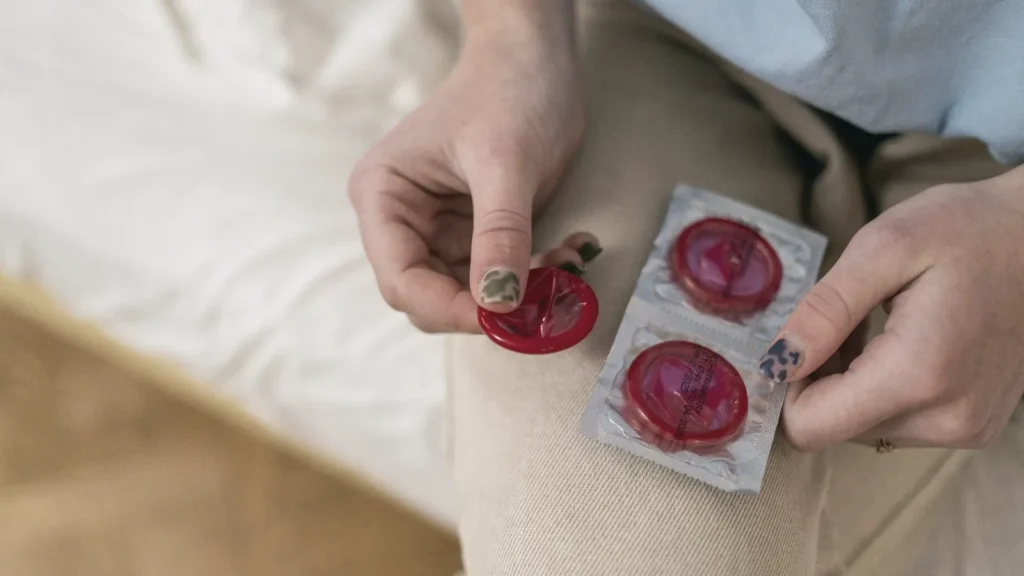
PrEP and condoms do different jobs: PrEP is very good at preventing HIV but does nothing against other sexually transmitted infections, while condoms reduce the risk of HIV and many STIs.
Many people start PrEP and then wonder whether they still need anything else. The answer depends on what you want to protect against and how you like to have sex. This guide lays out the facts so you can make your own choice, then explains how regular testing fills the gaps.
What PrEP covers and what it leaves open
PrEP tablets contain two HIV medicines. They stop HIV from establishing itself in the body, but they have no effect on the bacteria behind syphilis, gonorrhoea or chlamydia, or on viruses such as herpes and HPV.

Mpox and hepatitis C are outside its reach as well. Hepatitis C spreads mostly through blood, including shared injecting equipment and, less often, sex that causes bleeding.
STIs are very common. The WHO’s fact sheet on sexually transmitted infections reports more than a million curable STIs acquired every day worldwide. Many cause no symptoms at all, so they can pass between partners without anyone noticing.
Which infections condoms, PrEP and vaccines cover
| Infection | Condoms | PrEP | Vaccine available |
|---|---|---|---|
| HIV | Yes, if used every time | Yes, highly effective | No |
| Syphilis, gonorrhoea, chlamydia | Reduce risk | No | No |
| Herpes | Partly; skin contact still passes it | No | No |
| HPV and genital warts | Partly | No | Yes |
| Hepatitis B | Reduce risk | Some activity, not a prevention plan | Yes |
So, does HIV PrEP prevent herpes? No. Herpes spreads through skin-to-skin contact, including when there are no visible sores.
Is PrEP more effective than condoms?
For HIV alone, the CDC estimates that PrEP taken as prescribed lowers the risk from sex by about 99%. Condoms also work very well against HIV when used correctly for the whole of every act, but in real life they sometimes split, slip or get left out. That is where the gap between the two usually comes from.
Whether PrEP is more effective than condoms really depends on how consistently you use each. Our guide on how effective PrEP is in real life explains why the PrEP figure depends on taking it properly.
Condoms work best with the right fit and plenty of water- or silicone-based lubricant, since oil-based products can weaken latex. Small habits like these make splits and slips much less likely.
PrEP vs condoms side by side
| Point | Condoms | PrEP |
|---|---|---|
| Protects against HIV | Very well, if used correctly every time | About 99% from sex, taken as prescribed |
| Protects against other STIs | Reduces risk for many | No |
| Prevents pregnancy | Yes | No |
| Needs planning in the moment | Yes | No, once you are covered |
| Main weak point | Breakage or inconsistent use | Missed doses |
Using both together
Using PrEP and condoms together gives the broadest cover: very strong HIV protection, plus a lower chance of bacterial STIs and pregnancy. Some people use both every time. Others use condoms with casual partners and not with a regular one, or carry them for situations that feel less predictable.
There is no single right pattern. What matters is that your choices match your actual life, and that PrEP keeps you protected against HIV on the days a condom does not get used. That backup is a large part of why people value PrEP.
Condoms also lower the chance of passing on an infection you do not yet know you have, which protects your partners as well as you.
Choosing PrEP and no condoms
Many people on PrEP choose not to use condoms, and that is a legitimate decision. It means your HIV protection relies on your PrEP doses, and your protection against other STIs relies mainly on testing and early treatment.
Your doctor will not judge that choice. Being open about the sex you have simply helps us suggest the right tests and the right places to swab.
- Keep to your PrEP schedule, especially before and after weekends with several partners.
- Test regularly even when you feel well, as many STIs have no symptoms.
- Get checked promptly if you notice sores, discharge, a rash or pain when passing urine.
- Tell recent partners if you are diagnosed, so they can be tested too.
Women and people who have front-hole sex should also think about contraception, since PrEP does not prevent pregnancy. Our page on PrEP for women in Bangkok covers this.

STI testing while on PrEP
Most guidelines advise an STI check about every three months for people on PrEP, alongside the HIV test. Typical PrEP clinic STI testing covers syphilis through a blood test, and gonorrhoea and chlamydia through urine and swabs from the throat and rectum where relevant.
Bacterial STIs found early are usually straightforward to treat with antibiotics. Syphilis in particular can stay silent for a long time, which is why the blood test belongs in every check-up.
The NHS notes that some STIs take time to show on a test after exposure, so its guide to STIs and testing is useful if you are timing a check. See the routine tests on PrEP for the full schedule we follow, or book an HIV and STI check.
Alcohol and drugs can make condom use less consistent; our page on PrEP with alcohol and party drugs has practical tips.
Hepatitis B, vaccines and DoxyPEP
The tablets used for PrEP are also active against hepatitis B. That does not make them a hepatitis B prevention plan: vaccination is. If you are not immune, ask about the vaccine at your first visit. The HPV vaccine is worth discussing too.
If you already have hepatitis B, PrEP can still be used, but stopping it needs medical supervision because the infection can flare, and the 2-1-1 schedule is not suitable for you.
DoxyPEP, a dose of the antibiotic doxycycline after sex, can lower the chance of some bacterial STIs for certain people. The WHO is still developing its recommendations, so ask a doctor whether it would suit you.
Had condomless sex in the last 72 hours without PrEP cover? You need PEP, not PrEP. Ask us about urgent PEP without delay.
Still deciding? Read who PrEP is designed for, or message our doctors with your questions.
Questions people ask
Do I still need condoms if I am on PrEP?
Not for HIV protection, provided you take your tablets as prescribed. Condoms still reduce the risk of other STIs and pregnancy.
Does PrEP protect against any STIs?
No. PrEP only prevents HIV. It has some activity against hepatitis B, but vaccination is the reliable protection.
Why are STI rates higher among people on PrEP?
Partly because people on PrEP are tested far more often, so infections that would otherwise go unnoticed are found and treated.
How often should I get STI tests on PrEP?
About every three months, plus any time you have symptoms or a partner tells you they have an infection.
Is it safe to stop using condoms once I start PrEP?
For HIV, only once you have reached full protection: about 7 days of daily pills for anal sex, or about 21 days for vaginal or front-hole sex. Other STI risks stay the same.
Can I get herpes while taking PrEP?
Yes. PrEP has no effect on herpes. Condoms reduce the risk but cannot fully prevent it, because it spreads by skin contact.
Written by the HIV PrEP Bangkok team, based on WHO, NHS and CDC guidance. Last updated 2 October 2026.