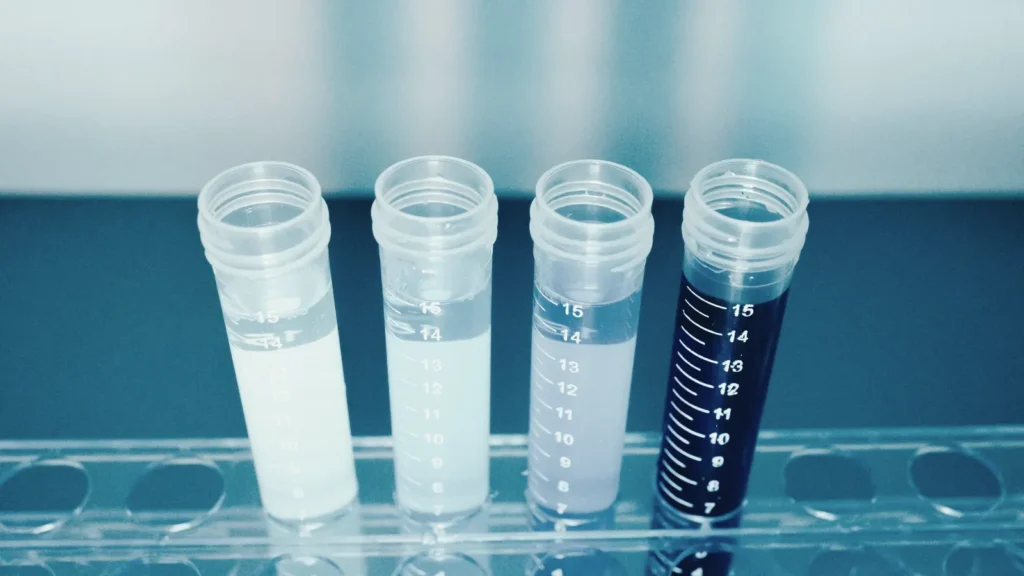
A PrEP blood test before you start checks three things: that you don’t already have HIV, that your kidneys can handle the medicine, and whether you have hepatitis B, followed by a short check-up about every three months.
None of these PrEP tests is there to judge you. They make sure the medicine is safe for your body and keeps working, and they pick up other infections early, when they’re easiest to treat.
If you’re still deciding whether PrEP fits your life, start with who PrEP is recommended for. The testing routine below is the same whether you’re a gay man, a straight woman or a couple where one partner’s status is unknown, and the results stay between you and your doctor.
Why PrEP needs blood tests at all
PrEP uses two HIV medicines, tenofovir disoproxil and emtricitabine (TDF/FTC). That combination prevents HIV very well, but it isn’t a full treatment. If someone already had HIV and took PrEP alone, the virus could become resistant, making future treatment harder.
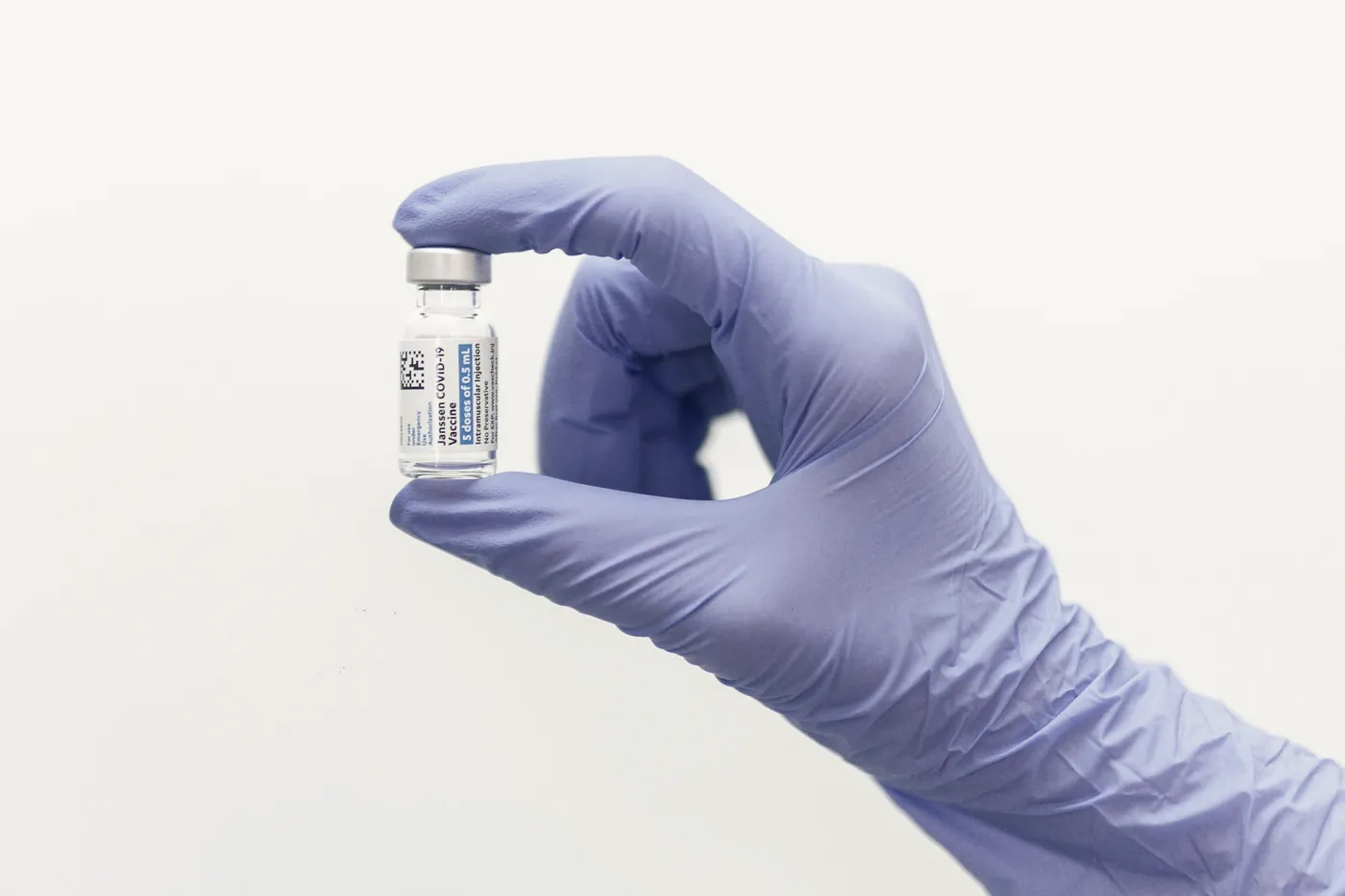
Some HIV checks use a finger-prick rapid test, while others need a full PrEP blood test sent to a laboratory. Your doctor chooses based on what’s available and how recent any risk was. Both are quick to take and only a little uncomfortable.
Tenofovir is also cleared through the kidneys, and both medicines act against hepatitis B. So the PrEP blood work focuses on three questions:
- Is your HIV test negative today?
- Are your kidneys filtering normally?
- Do you have hepatitis B, or are you immune to it?
Tests before you start
Your first visit bundles the starting PrEP labs together, usually from one blood sample plus a urine sample or swabs.
Baseline tests and what each one checks
| Test | What it looks for | Why it matters |
|---|---|---|
| HIV (4th generation) | HIV antibodies and p24 antigen | PrEP is only for people without HIV |
| Creatinine and eGFR | How well your kidneys filter | TDF/FTC isn’t used if kidney function is too low |
| Hepatitis B | Current infection and immunity | Decides whether 2-1-1 dosing is safe |
| STI screen | Syphilis, gonorrhoea, chlamydia | Common, often silent, easy to treat |
Where relevant, you may also be offered a pregnancy test and a hepatitis C test. Fasting isn’t usually needed for any of these.
The hepatitis B result shapes your options. Daily PrEP suits everyone who is eligible, while 2-1-1 on-demand dosing is only for cis men who have sex with men and trans women not taking estradiol, and never with hepatitis B or for vaginal or front-hole sex. Our on-demand dose planner explains that schedule.
When a recent exposure changes the plan
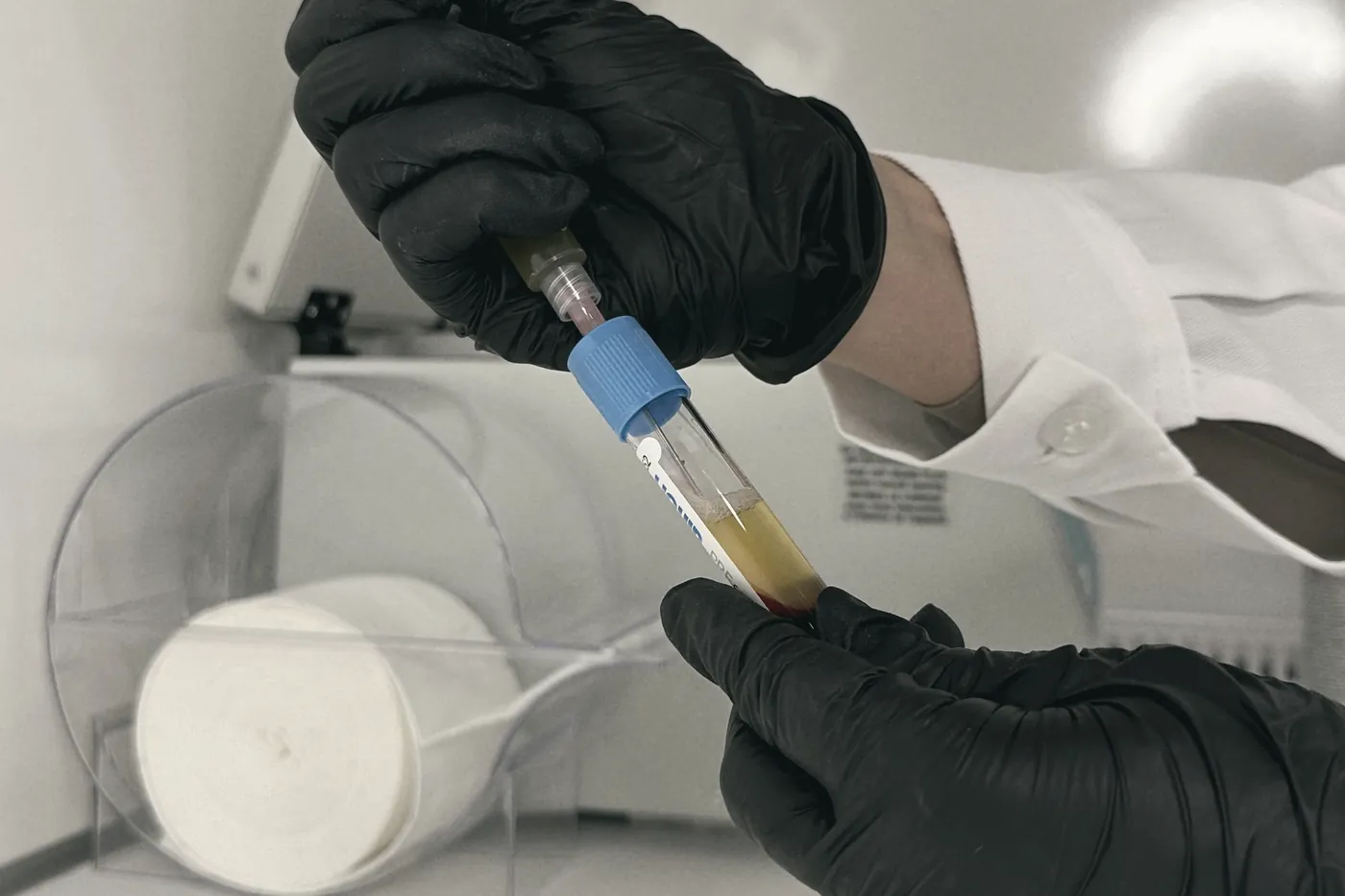
A fourth-generation HIV test is accurate for most infections, but it can miss one picked up in the last few weeks. That’s why your doctor asks about recent condomless sex before you start.
If there was a risk in the past few weeks, you can often still begin PrEP, with a repeat HIV test a few weeks later to be sure. If the risk was within the last three days, the plan is different.
Exposed to HIV in the last 72 hours? You need PEP, not PrEP, and it should start as soon as possible. Arrange urgent PEP with our clinic; many people move straight onto PrEP when the PEP course ends.
Follow-up visits every three months
Once you’re on PrEP, you’ll come back about every three months. These PrEP follow-up visits are short: a check-in about side effects and adherence, a repeat HIV test and a refill. The independent charity i-Base sets out a similar routine in its PrEP questions and answers.
What’s checked and how often
| Test | How often | Notes |
|---|---|---|
| HIV test | About every 3 months | Needed before each new supply |
| STI screen | About every 3 months | More or less often depending on your situation |
| Kidney function | At least yearly | More often if you’re over 40 or have diabetes or high blood pressure |
| Hepatitis B and C | As advised | Repeat if you weren’t immune or risks change |
This PrEP follow-up testing is one reason clinics prescribe up to three months at a time: each refill lines up with a fresh negative HIV result.
The routine is the same for daily and on-demand users. Even if you only take a few 2-1-1 courses between visits, a repeat PrEP blood test every three months keeps your record up to date. If you’ve missed several doses since your last visit, mention it; our page on what to do after a missed PrEP dose explains when an extra test helps.
Understanding your results
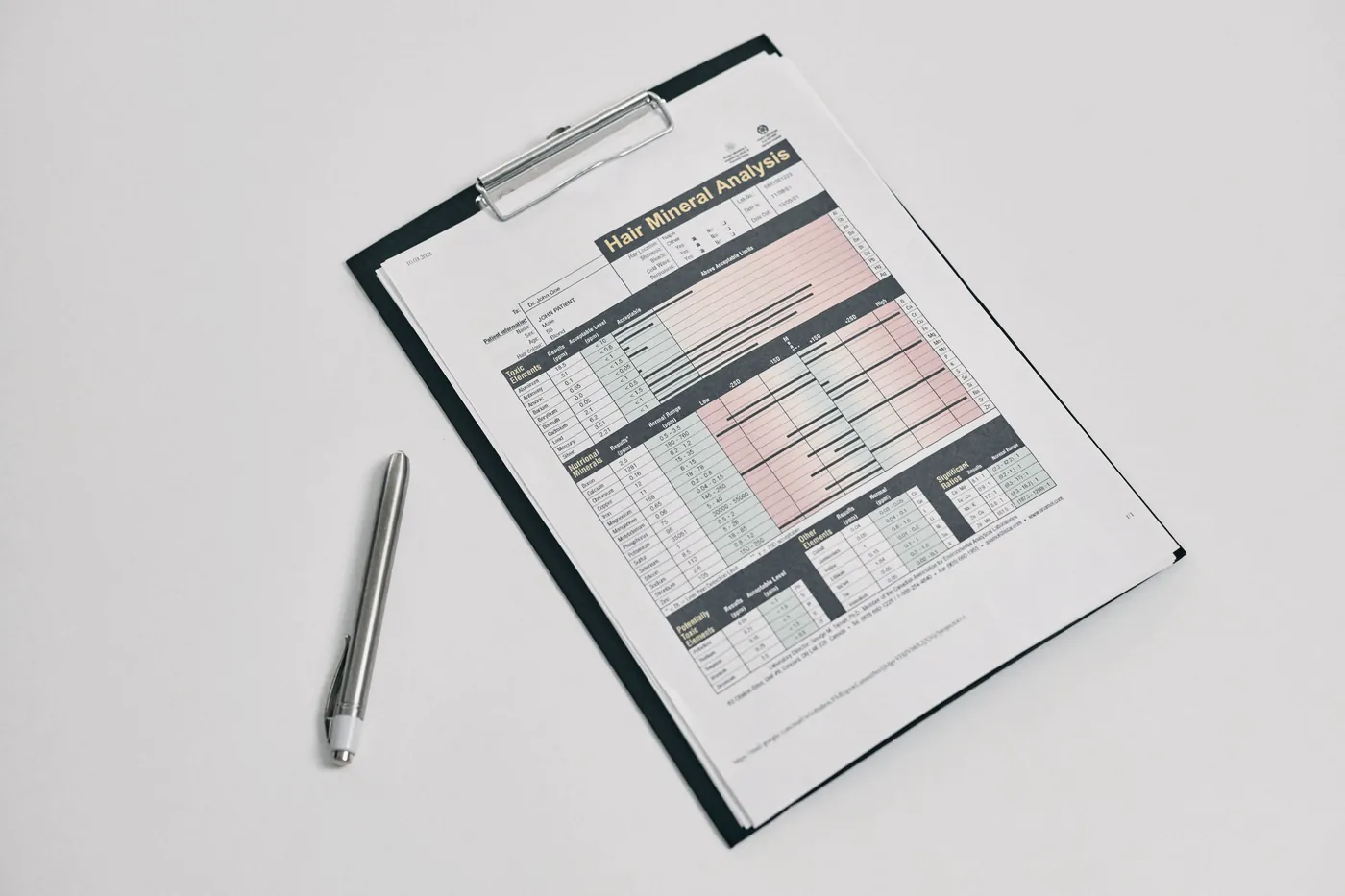
Most results come back normal, and when they don’t, there’s usually a simple next step.
- HIV negative: you can start or continue PrEP.
- HIV reactive: this needs a confirmation test before anything is decided. If HIV is confirmed, PrEP stops and you’re linked to treatment straight away.
- Creatinine a little high: heavy exercise, creatine supplements, a high-protein diet or not drinking enough water can all push it up. Your doctor will usually repeat the test before changing anything.
- Hepatitis B positive: you can still take daily PrEP, with liver monitoring, and you shouldn’t stop without your doctor.
- Not immune to hepatitis B: ask your doctor whether vaccination makes sense.
- STI found: you’ll get treatment, and partners may need testing too.
Remember that PrEP doesn’t prevent other STIs, which is why regular screening stays part of the routine.
Your results don’t change which brand you take. Generic tablets and the original Truvada are checked in exactly the same way, as our guide to generic PrEP medicines in Thailand explains.
Getting tested in Bangkok
At our clinic, the doctor reviews your history, arranges the tests and explains each result in English. You can read what happens during your clinic visit before you come. Visits take about an hour in many cases, though we can’t promise exact timings. If you have results from another clinic in the last few weeks, bring them; they may save you a repeat PrEP blood test.
A few tips for the day:
- drink water as normal beforehand;
- skip a hard gym session the day before if you can;
- bring a list of medicines and supplements.
Read how to start and stop PrEP safely for the full first-visit checklist, and see what PrEP and tests cost in Thailand for approximate prices. Visiting from abroad? Our guide for travellers on PrEP covers timing. You can book an HIV test on its own or book a full PrEP consultation.
Questions people ask
What blood tests do you need for PrEP?
An HIV test, a kidney test (creatinine and eGFR) and a hepatitis B test, plus an STI screen and, where relevant, a pregnancy test.
How often do you need PrEP blood work?
An HIV test about every three months, STI screening on a similar schedule, and a kidney check at least once a year.
Why does PrEP need a kidney test?
Tenofovir leaves the body through the kidneys and can affect them slightly in some people, so doctors check your baseline and keep an eye on it.
Can I start PrEP without a hepatitis B test?
It isn’t recommended. The result decides whether on-demand dosing is safe and whether you need extra care when stopping.
What does PrEP lab testing cost?
It depends on which tests you need. We confirm the full price before you start.
Written by the HIV PrEP Bangkok team, based on WHO and i-Base guidance. Last updated 2 October 2026.