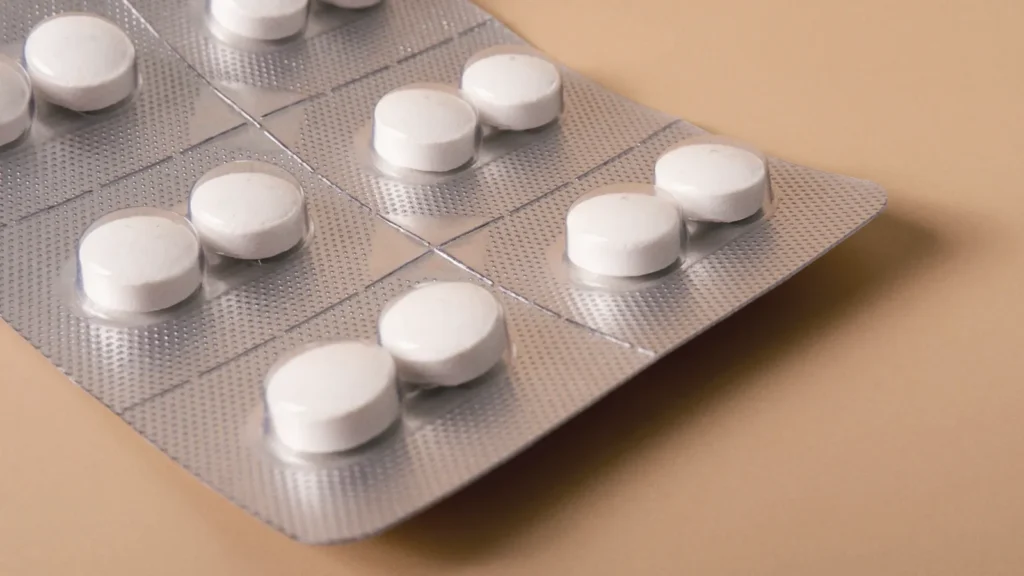
If you expect further chances of HIV exposure, you can go from PEP to PrEP straight away: take an HIV test as your 28-day course ends and, if it’s negative, start PrEP the next day without a break. This handover keeps you protected through the weeks when many people are most at risk.
Finishing a course of post-exposure prophylaxis is a relief, but the habits or circumstances that led to it often haven’t changed. Studies of people who complete PEP show that some acquire HIV later, sometimes within months, which is why guidelines now encourage a planned PEP to PrEP transition.
This page covers the switch itself. If you’re starting PrEP from scratch, read our guide to starting and stopping PrEP as well.
Had condomless sex or shared needles in the last 72 hours and not on PEP yet? Emergency PEP is what you need rather than PrEP, and it should start as soon as possible. Arrange urgent PEP with us.
Who should consider switching
Not everyone needs PrEP after one course of emergency treatment. A single condom break with a regular partner may never be repeated. But switching makes sense if any of these apply:
- you’ve needed emergency treatment more than once;
- you have condomless sex with partners of unknown status;
- a partner lives with HIV and isn’t yet undetectable;
- you’ve had a recent STI;
- you share injecting equipment.
If none of these fit, finishing the course and returning for your follow-up tests may be all you need. There’s no pressure either way, and you can always revisit the idea later.
Our page on who benefits most from PrEP covers this in more detail. The 2025 CDC guideline on post-exposure prophylaxis advises clinicians to offer PrEP to anyone with ongoing indications and to agree a transition plan.
The day-28 handover
The aim is simple: your last emergency dose and your first PrEP dose should sit on consecutive days.
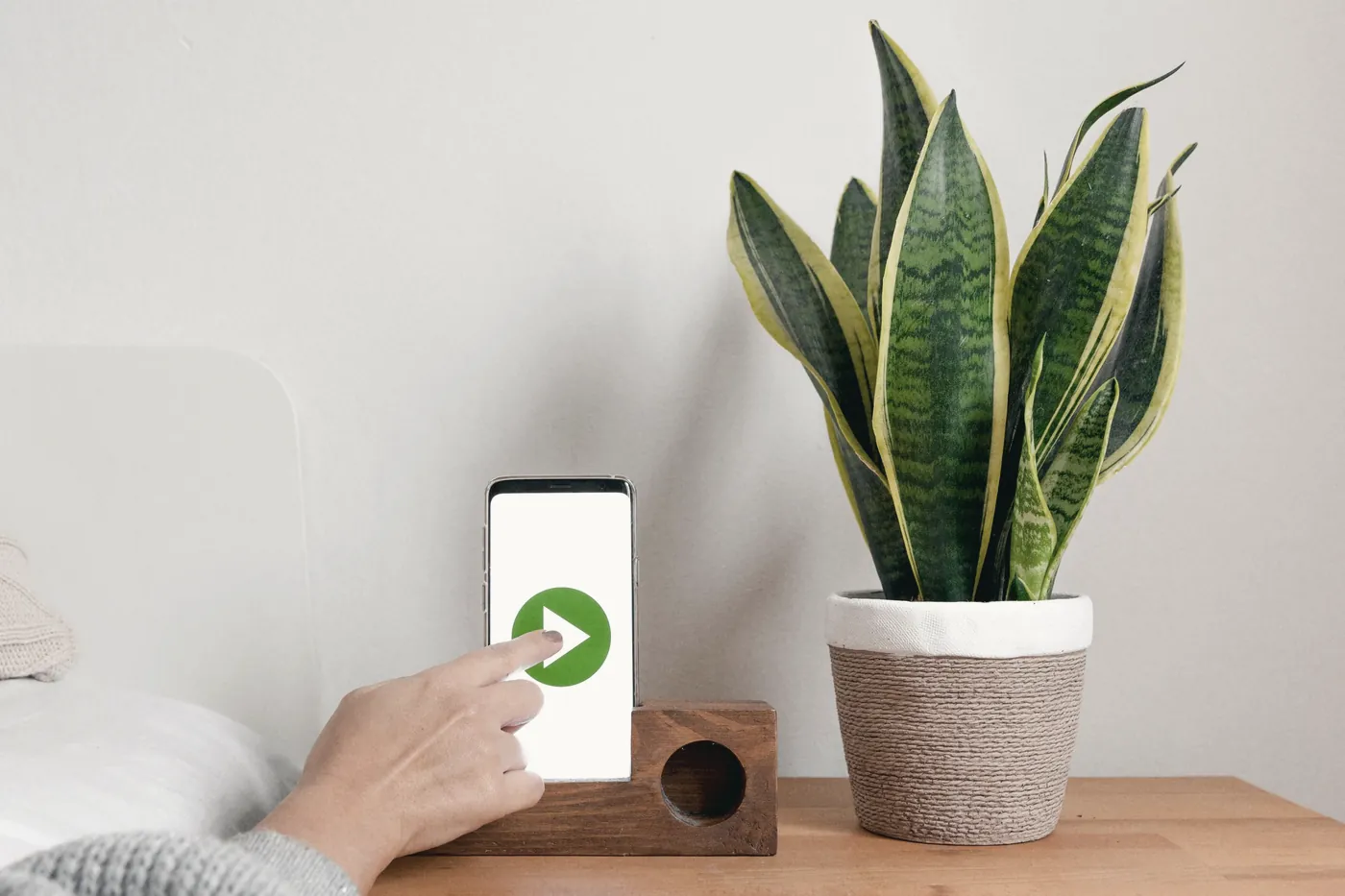
Plan it around a visit in the final few days of the course, so the result is back before you run out. Setting a phone reminder for that appointment on the day you start emergency treatment makes it much harder to forget.
Switching from PEP to PrEP: a timeline
| When | What happens | Why |
|---|---|---|
| Day 1 | Start emergency treatment; mention PrEP | Plan the switch early |
| Days 24–28 | HIV test, kidney check, hepatitis B | Confirm PrEP is safe |
| Day 29 | First PrEP dose | No gap in cover |
| About 6 weeks on PrEP | Repeat HIV test | Catch a late result |
| 12 weeks after exposure | Final follow-up test | Close the original window |
Most PEP regimens include the same two medicines used in PrEP, tenofovir and emtricitabine, so moving across keeps drug levels steady. Your doctor will confirm whether that applies to the regimen you were given.
Tests around the switch
An HIV test at the end of the course is the key step. Starting PrEP if HIV had already been acquired could lead to drug resistance, because PrEP alone isn’t a full treatment.
The independent charity i-Base suggests, in its checklist before starting PrEP, a fourth-generation test as you finish one course and start the other, then another about six weeks later. Where available, some clinics add an HIV RNA test for extra reassurance.
The CDC guideline also notes that a test taken before the final 12-week check can occasionally miss a very recent infection. That isn’t a reason to delay the switch; it’s the reason PrEP follow-up testing continues on schedule.
Alongside HIV, expect:
- a kidney function test (creatinine), if not done recently;
- hepatitis B status, which decides your dosing options;
- an STI screen, because neither medicine prevents other infections.
Our guides to routine PrEP tests and PrEP and sexually transmitted infections explain these in more detail.

Daily or 2-1-1 after the course ends
Most people continue straight onto daily tablets, which suits everyone eligible for PrEP and gives the simplest routine after four weeks of daily pills.
On-demand dosing is an option for some. It is only for cis men who have sex with men and trans women not taking estradiol, never for vaginal or front-hole sex, and never with hepatitis B. If you qualify, the 2-1-1 dose calculator works out the times.
When comparing on-demand PrEP vs PEP, remember they solve different problems. On-demand PrEP has to be planned before sex; PEP is the emergency backup when there was no plan.
Whichever schedule you choose, stopping later follows the usual rule: typically two days after the last anal sex and seven days after the last receptive vaginal sex, confirmed by your doctor.

How the two medicines differ day to day
People who have just finished PEP often worry that PrEP will feel the same. In practice most find it easier.
Any stomach upset or tiredness from the emergency course usually fades once the third drug is dropped. Follow-up visits also become routine check-ins rather than anxious waits for a result.
Emergency PEP compared with ongoing PrEP
| Feature | PrEP | PEP |
|---|---|---|
| When it’s taken | Before and around sex | After a possible exposure |
| Course | Ongoing while risk lasts | 28 days, then stop |
| Number of drugs | Two | Usually three |
| Side effects | Usually mild, early weeks | More common, mostly mild |
| Follow-up | About every 3 months | Tests during and after |
When taken as prescribed, PrEP reduces the risk of HIV from sex by about 99%, according to CDC. Our page on how effective PrEP is explains what affects that figure.
If there’s already a gap
Perhaps your course ended weeks ago and you’re only now thinking about PrEP. That’s common and fixable.
- No condomless sex since finishing: book an HIV test and start PrEP once it’s negative.
- Possible exposure more than 72 hours ago: you may still start PrEP, with a repeat test a few weeks later.
- Possible exposure within 72 hours: you need a new course of emergency treatment first, then the switch.
If you’ve been on PrEP and then missed doses, see what to do after missed PrEP doses. When you’re ready, book your PrEP start with us or ask the clinic a question; bring your previous prescription and test results.
Questions people ask
Can I start PrEP right after PEP?
Yes, if your HIV test at the end of the course is negative. Ideally the first PrEP dose is the day after your last PEP dose.
Do I need an HIV test before starting PrEP after PEP?
Yes. It confirms PrEP is safe to start. A follow-up test about six weeks later and the 12-week check complete the picture.
What about PrEP vs PEP side effects?
Generally, PrEP causes fewer side effects because it contains two medicines rather than three. Mild nausea or headache in the first weeks is the most common complaint.
Is HIV PEP to PrEP switching free of gaps if I’m late?
A short delay with no sex in between isn’t a problem. Test first, then start PrEP. Any exposure in the gap needs assessment.
Should I take PrEP if I only needed emergency treatment once?
Not necessarily. It depends on whether the situation is likely to happen again. A short conversation with a doctor helps you decide.
Can I stop PrEP later?
Yes. Many people use PrEP during a particular phase of life. Stopping is timed to your last sex, as our starting and stopping guide explains.
Written by the HIV PrEP Bangkok team, based on CDC and i-Base guidance. Last updated 2 October 2026.